Setting Up a Year‑Round Windowsill Herb Station: Step‑by‑Step Method, Variations and Troubleshooting
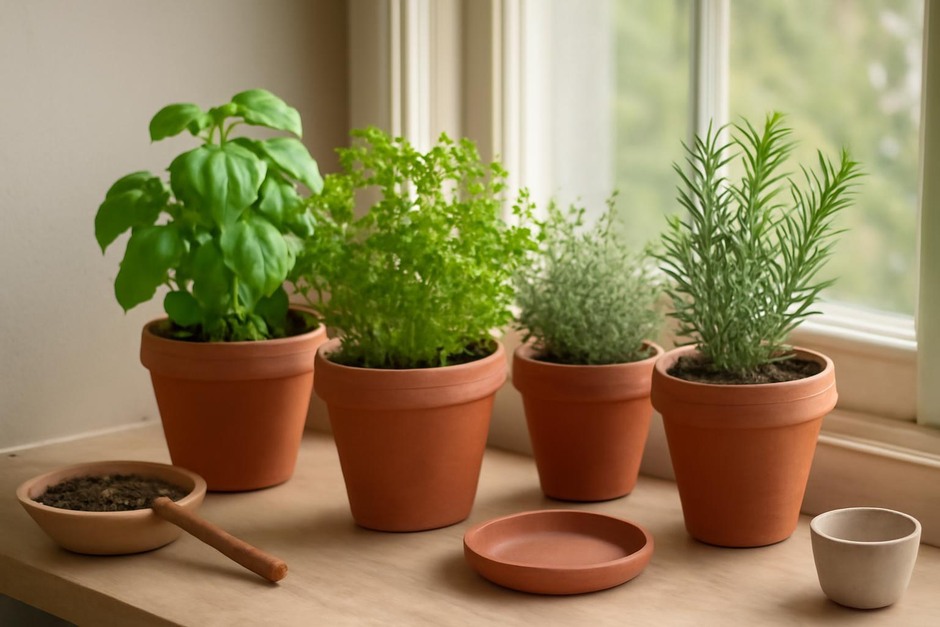
Keeping fresh herbs within arm’s reach is one of the easiest ways to add flavor to meals and a touch of green to your home. This guide shows a simple, repeatable method for setting up a compact windowsill herb station that works in any season, plus variations to match light levels and troubleshooting for common problems.
What you’ll need
- Shallow pots or a long trough planter with drainage
- Potting mix formulated for herbs or general indoor plants
- Herb seedlings or cuttings (basil, parsley, thyme, chives, mint are good starters)
- Small saucers to catch run‑off or a tray
- Pruning shears or scissors
- Optional: a compact grow light for low‑light windows
Step‑by‑step method
-
Choose the right location.
Select a south‑ or west‑facing window for the most light. East‑facing windows work for many herbs, while north‑facing windows require supplemental light or low‑light herb selections.
-
Measure and plan the layout.
Measure the sill or shelf depth and length. Group herbs with similar light and moisture needs together—basil and parsley like bright light and regular moisture; thyme and rosemary prefer sunnier, drier spots.
-
Select containers and potting mix.
Pick pots that allow at least 10–12 cm (4–5 in) of root space for most herbs. Use a free‑draining potting mix; add a little perlite if it seems heavy. Ensure drainage holes are present and saucers are ready to protect the sill.
-
Plant the herbs.
Gently tease roots of seedlings and set them at the same depth they grew in their nursery pots. For cuttings, trim to 5–7 cm (2–3 in), remove lower leaves, and root in moist mix or water until roots form before transplanting.
-
Water mindfully.
Give a thorough initial watering until water drains from the pot. After that, water when the top 1–2 cm (0.5–1 in) of soil is dry. Herbs rarely like constant wet feet—better to err on the side of drying slightly between waterings.
-
Rotate and monitor light.
Turn pots weekly so plants grow evenly. If plants lean dramatically or become leggy, they need more light—consider moving them closer to the glass or adding a grow light for 8–10 hours a day.
-
Harvest regularly.
Pinch or trim leaf tips to encourage bushy growth. For most herbs, harvesting up to a third of the plant at a time keeps it healthy. Avoid removing more than half of a plant in one go.
-
Maintain and refresh soil.
Every 3–6 months, top up with fresh potting mix or repot if roots are crowded. Fertilize lightly once a month during active growth with a balanced, diluted houseplant fertilizer if desired.
Variations
-
Low‑light version:
Choose herbs that tolerate lower light (mint, chives, parsley) and use a cool‑white LED grow light on a timer for 6–8 hours when natural light is minimal.
-
Windowsill microgreens and cut‑and‑come‑again greens:
Sow arugula, mustard greens, or microgreens in a shallow tray for fast harvests. These provide quick flavor and can be rotated alongside slower‑growing herbs.
-
Propagation station:
Keep a small jar of water for rooting cuttings. As herbs like basil, oregano, or rosemary develop roots, transplant them into pots—this doubles as both propagation and décor.
-
Seasonal rotation:
Swap varieties with the seasons—tender annuals like basil in warm months, hardy herbs like thyme and rosemary through autumn and winter for steady flavor.
Troubleshooting
-
Leggy or sparse growth:
Usually a sign of insufficient light. Move plants closer to the window, add a grow light, or switch to herbs that tolerate lower light.
-
Yellowing leaves:
Could be overwatering or poor drainage. Let soil dry a bit and ensure pots drain. If persistent, repot with fresh mix and reduce watering frequency.
-
Brown leaf tips:
Often from dry air or inconsistent watering. Increase humidity with a nearby tray of water or misting, and keep a regular watering schedule.
-
Pests like aphids or spider mites:
Remove affected leaves, rinse plants with a gentle spray, and use soapy water or neem oil sparingly. Isolate infested plants to prevent spread.
-
Slow growth in winter:
Many herbs slow naturally in short, cool days. Reduce watering and consider supplemental light if you want more activity; otherwise, plan for modest winter harvests.
With a modest investment of space and attention, a windowsill herb station can supply fresh flavor and seasonal interest year‑round. Start small, observe how each plant responds to your home’s light and humidity, and adjust the setup with the variations above to find what suits your routine best.